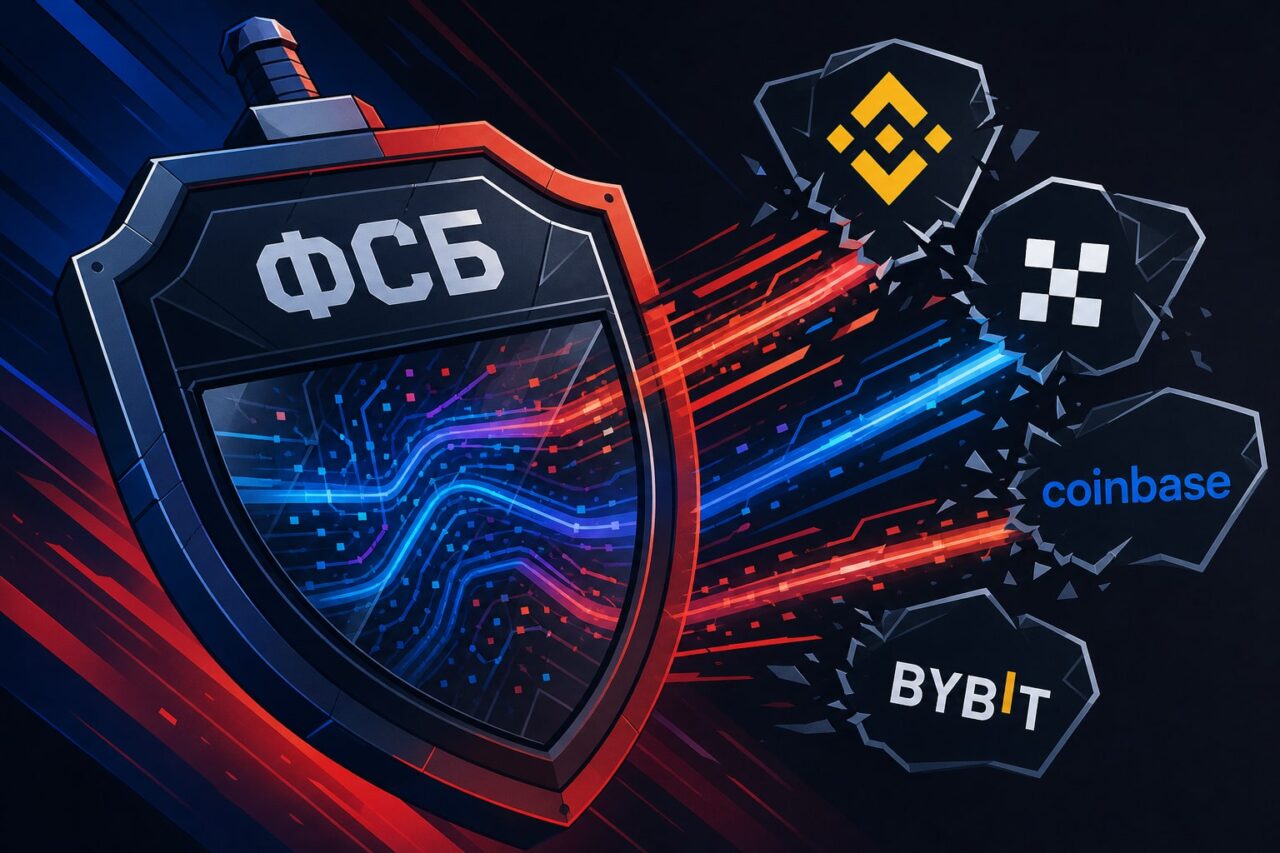
With the coming into force of the FSB crypto exchange access law on 1 March 2027, Russia’s Federal Security Service will be in a position to make round-the-clock inroads into personal user data held by crypto exchanges. IP addresses, bank accounts, and chat correspondence are all within reach under this provision—a far-reaching change that is bound to alter the crypto scene in Russia and give rise to serious questions over privacy and control.
What the New Law Means for Crypto Exchanges
The new legislation makes it incumbent on every Russian crypto exchange to give the FSB permanent remote access to its clients’ information. That means identification and financial account details as well as any metadata or chat logs a user has left behind. In the words of one member from the CryptoFateev Ripple XRP Трейдер channel, there has been nothing comparable to this kind of surveillance in the Russian market, and it will be a watershed moment for the way platforms do business.
There were calls from the Association of Banks of Russia for such sensitive material to be turned over only at the behest of an official FSB request, and for SORM, the national system of surveillance, to be used to put limits on what can be accessed in terms of private keys and transaction signing tools. But the law as written does not allow for that; exchanges must put in place an open and continuous data feed. Newcomers to the market will have to move quickly to meet tight deadlines: 45 days after launch to notify the FSB and 15 months to have the necessary monitoring hardware in place.
Consequences for Users and the Crypto Sector
One need not look far in the Russian crypto ecosystem to see the effects of the FSB mandate. Exchange operators and everyday users alike will have to come to terms with the reality of complete oversight by the state. Some experts on the CryptoFateev Ripple XRP Трейдер channel foresee a spike in the number of crypto criminals and others the authorities have targeted being put behind bars. Yet the more pervasive danger is the erosion of privacy, even to the point of ‘digital slavery’ in the opinion of some, leaving users without any control over their own financial data.
International Trends and the Shift to Privacy Coins
For those new to the market, the compliance demands may be enough to stifle innovation or push projects offshore.
Russia is not alone in clamping down on crypto. The EU will be putting an end to anonymous coins of the Monero or Zcash variety from 1 January 2027 to close any privacy-oriented loopholes. An analysis on CryptoFateev Ripple XRP Трейдер suggests that this could have the opposite effect and increase the appetite for such alternatives as Dash among those intent on keeping their affairs private.
In the US, the Democrats have made headway in Congress and the Senate and are now talking up investigations of the financial links between the crypto industry and the Trump family. To an expert on the channel, it is all political theatre, considering the party has been quiet on other Trump scandals of late.
The Bigger Picture: Control Versus Freedom
In the end, the FSB regime is just one instance of the contest between freedom and regulation in the digital economy that is playing out globally. The authorities will say it is to put a stop to terrorism and crime, but detractors caution that unceasing surveillance goes against the decentralisation and autonomy at the heart of the crypto movement. It is a matter of adaptation for the user or business in Russia and beyond: to comply, or find a means of safeguarding their data and independence, perhaps in a privacy coin.
Discover how upcoming regulatory changes could impact your access to funded crypto trading accounts. crypto prop firm access.
Read also

Discussion
Comments from BuyCrypt Live. Sign in with Google or Apple — we create your BuyCrypt account on the way, the same one as in the app.