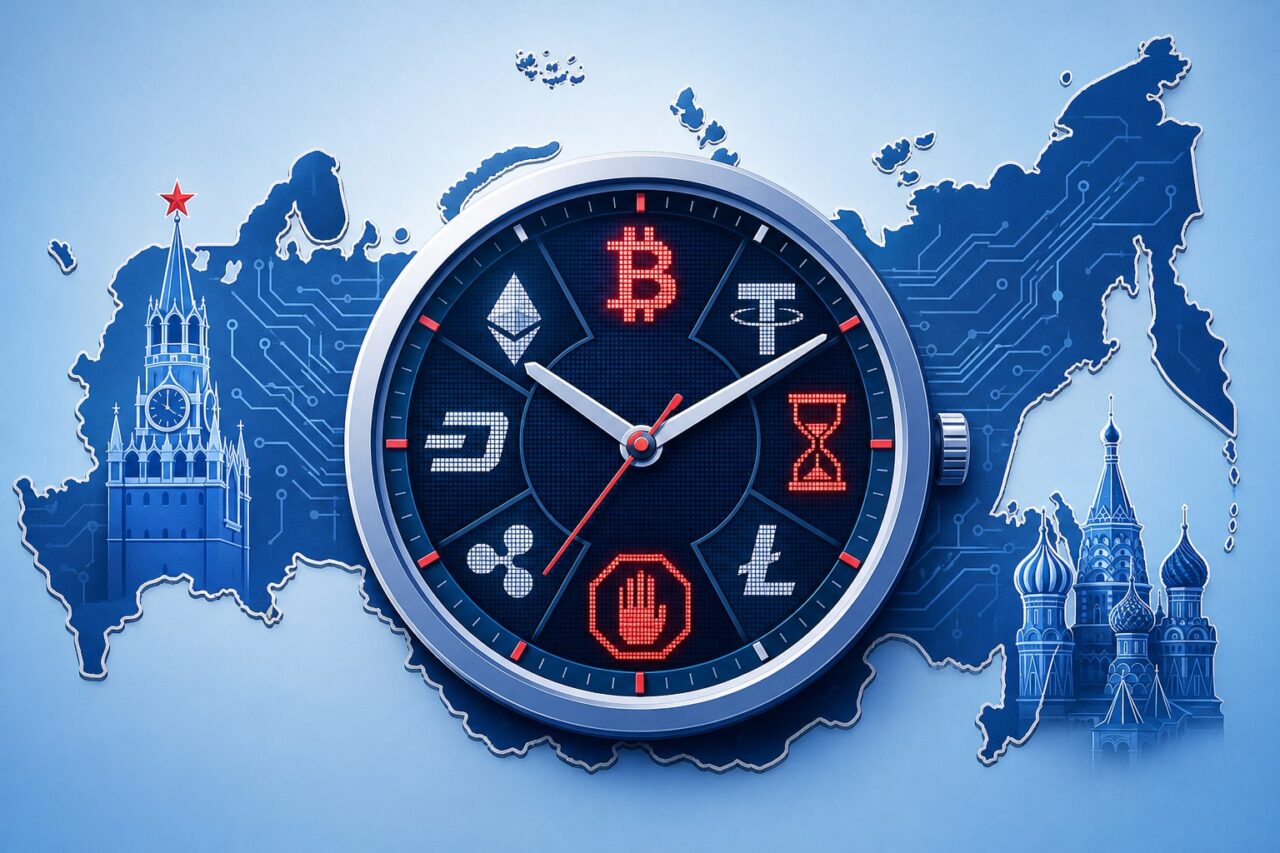
Boris Blokhin, a representative of the platform, has put to rest any doubt that the Russian crypto exchange will be curtailing its trading hours to 14 a day. From December 1 there will be no 24/7 availability for bitcoin, ether or USDT; in Moscow time one can trade only from 6:50 AM until 8:30 PM, a far cry from what is standard in the global crypto markets.
Key Features of the Russian Crypto Exchange
Blokhin says the exchange will at first be limited to those three currencies and will not be open around the clock as some in the community might have thought. The window for clients is confined to the hours between 6:50 AM and 8:30 PM, which is a world apart from the nonstop model of most international exchanges and may well put off traders used to an immediate response to market events at any hour.
Then there is the matter of having to go through accredited brokers to make a trade. These intermediaries will ensure that buy and sell orders are carried out for the client, putting more distance between the trader and the market in terms of speed and flexibility.
Implications for Traders and Market Dynamics
The new timetable has its drawbacks. Overnight price action will be unanswerable, as Blokhin pointed out in an appearance on Pro Blockchain Media Live. Should cryptocurrency values undergo a significant change in the night, the trader is left to wait for the morning reopening. In such a volatile environment that is a risk and an opportunity lost.
Users will also find they cannot withdraw assets from the exchange to trade on their own elsewhere, a rule that curbs autonomy and puts the Russian operation at odds with the borderless nature of the industry. For those who want to put funds to work without delay, it is a fundamental change.
Regulatory Context Behind the Exchange’s Launch
Behind the scenes, according to Blokhin on Pro Blockchain Media Live, the exchange is being put in place as part of a regulatory drive in Russia to get a firmer grip on cryptocurrency trading. The use of accredited brokers and the hours of operation are intended to keep illicit activity at bay and allow for better oversight of transactions.
One could argue it makes for a safer, more controlled environment, but it is a step away from the decentralization and constant access that is valued in the crypto space. What this means for volumes and adoption down the line is anyone’s guess, but for now the message is plain: Russian crypto traders will have to make do with a marketplace that is considerably more regulated and inflexible.

Explore our trading simulator to practice and adapt your strategies to new market restrictions risk-free. trading simulator.
Read also



Discussion
Comments from BuyCrypt Live. Sign in with Google or Apple — we create your BuyCrypt account on the way, the same one as in the app.