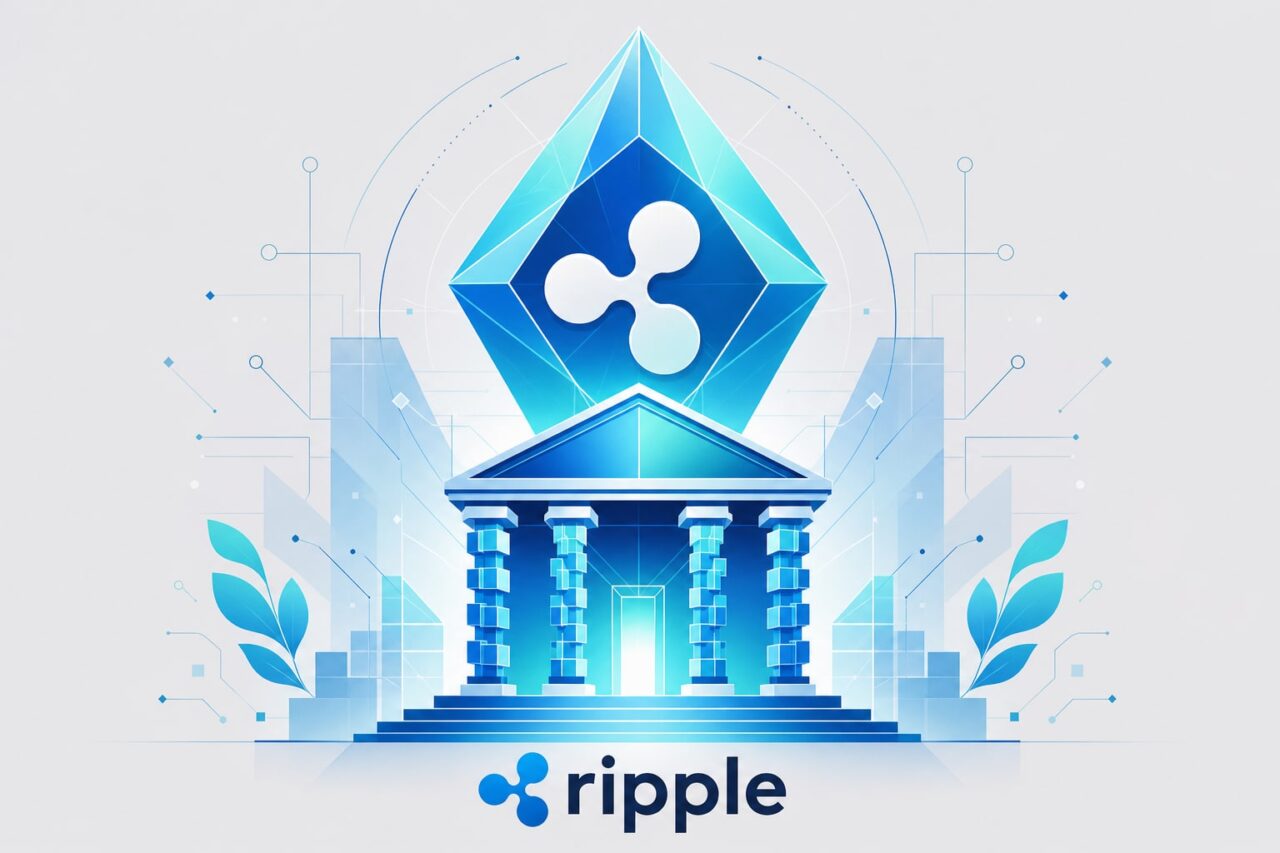
The Ripple OCC approval is a big step for the company as it secures the green light to launch a national trust bank. In addition to this, Moody’s rated RLUSD as the first investment-grade stablecoin, and the company CEO, Brad Garlinghouse, reaffirmed the importance of XRP to Ripple’s future.
Ripple’s National Trust Bank: OCC’s Final Nod
With Ripple now receiving final approval from the Office of the Comptroller of the Currency (OCC) to launch the Ripple National Trust Bank, the company will be able to operate under the full supervision of the federal government. This will give Ripple more legitimacy in its operations within the United States. As CryptoWendyO points out, the move will increase Ripple’s ability to serve institutional clients while complying with all necessary regulations. This could lead to faster adoption of Ripple’s products in regulated settings.
The OCC approval for Ripple isn’t just a big win for the company; it also signals the maturation of the blockchain-based financial services space. With the move to operate under federal government supervision, Ripple will be able to attract more partners from the traditional financial services industry. This will enable the company to expand its crypto-enabled financial services to more institutional clients.
RLUSD Achieves Historic Investment Grade
The A2 long-term and P1 short-term ratings that Moody’s has given to Ripple’s stablecoin RLUSD mark it as the first investment-grade stablecoin. As pointed out by the CryptoWendyO channel, this unique rating will distinguish RLUSD from the competition and could potentially lead to increased acceptance of stablecoins by institutional investors.
Ripple has teamed up with Coinbase to offer RLUSD on key platforms such as Coinbase Exchange, Prime, and the Coinbase app, so that users can easily deposit and withdraw RLUSD on XRPL, BASE, and Ethereum. This integration is expected to lead to greater liquidity and adoption for RLUSD, making it more competitive in the stablecoin market.
Institutional Partnerships and Tokenization Momentum
BNY Mellon, one of the world’s largest custodians with over $63 trillion of assets under custody, has expanded its partnership with Ripple to support XRP and RLUSD on its custody platform. This collaboration signals growing interest among institutions in providing secure digital asset custody services, as reported by CryptoWendyO.
In addition, major asset managers are utilizing the XRP Ledger (XRPL) to launch tokenized money market funds. For example, Aviva Investors launched a tokenized share class of its $22 billion sterling liquidity fund on XRPL, adding $50 million in assets. Meanwhile, Franklin Templeton increased its tokenized assets on XRPL to $200 million. With these developments, Aviva and Franklin Templeton have become two of the biggest players in the tokenized asset space in Europe and globally, pointing to a broader shift towards using blockchain-based solutions for fund management.
XRP Remains a Core Priority
Even in the midst of the stablecoin and tokenization boom, Ripple CEO Brad Garlinghouse made sure to note that XRP is still a key focus. According to CryptoWendyO, he reiterated that Ripple would not be abandoning XRP and that RLUSD is meant to complement it, not replace it. This message is, of course, music to the ears of the XRP community and is a strong statement from Ripple about its desire to both expand its original digital asset and launch new product lines.
Ripple has made other bold projections as well. It sees itself reaching an annualized product revenue run rate of $900 million by the end of 2026, at which point it would also have served over 1,700 institutions and be nearing $150 billion in lifetime payments volume. In other words, Ripple sees itself playing a leading role in both the traditional and digital finance sectors.
Every call by CryptoWendyO and how it played out — in the BuyCrypt bloggers tracker.
Explore how Ripple’s OCC approval can open new doors for crypto prop firm participants seeking regulated financial innovations. crypto prop firm opportunities.
Read also
Discussion
Comments from BuyCrypt Live. Sign in with Google or Apple — we create your BuyCrypt account on the way, the same one as in the app.