The 2026 events involving Coldcard and Ledger hardware wallets, as well as the hack on Binance, have all helped to highlight the importance of implementing a layered sovereignty approach to cryptocurrency security. These incidents have revealed some of the vulnerabilities present within these security solutions and also opened up a debate.
Coldcard and Ledger Breaches Expose Hardware Risks
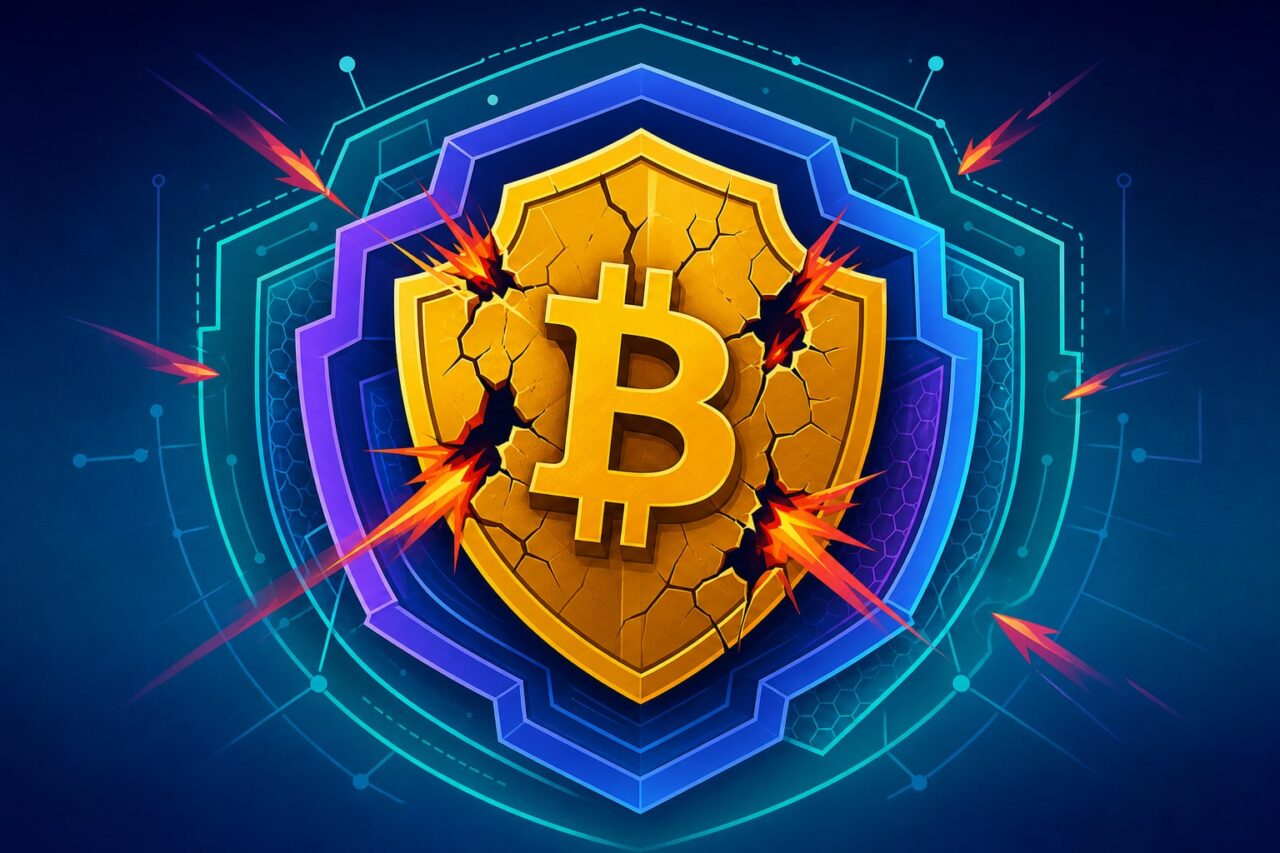
In July 2026, hackers took advantage of a vulnerability in the firmware of Coldcard hardware wallets, which was originally discovered back in March 2021. As a result of this vulnerability, about 594 bitcoins, valued at approximately $38 million, were stolen. In October 2026, Ledger wallets were compromised via a hardware module that transmitted the user’s recovery phrase over an LTE network. The result of the Ledger hack was even more significant, as about 1,816 bitcoins, or around $116 million, were stolen. As explained by the Crypto Tips channel, these hacks have demonstrated that even trusted cold storage wallets can have single-point vulnerabilities that remain unaddressed for years.
These events have shown that persistent threats are able to circumvent the supposed air-gapped nature of these wallets by exploiting vulnerabilities within the hardware or firmware. As pointed out by Crypto Tips, using a single wallet manufacturer or a single device also adds significant risk to users, thereby demonstrating the importance of layered sovereignty.
Binance Hot Wallet Hack Becomes Crypto’s Largest Theft
On October 29th, 2026, hackers were able to steal a staggering $6.3 billion from the hot wallets of Binance, the largest single cybercrime in the history of cryptocurrency. This hack was made possible by a vulnerability in EIP-7702, which allowed the hackers to gain persistent access to single-signature wallets. Binance has stated that it is able to cover some of the losses using the SAFU fund, which holds around 15,000 bitcoins. Unfortunately, this was not enough to cover all of the losses from the hack.
As highlighted by Crypto Tips, this event has tested users’ trust in Binance but also raised a call for a change in the way that exchanges and individuals store their private keys. The size of the hack has rocked the cryptocurrency industry and made regulators and users take notice of what is happening.
Heightened Regulation and Security Recommendations
As a result of all of these events, the regulatory landscape has begun to shift. With the implementation of regulations such as MiCA in the EU and the Genius Act in the US, more stringent rules are being imposed, as well as new abilities to freeze users’ digital assets. These developments have raised significant questions regarding the privacy and control of users’ assets, as well as the future of DeFi.
The Crypto Tips channel strongly encourages users to use layered sovereignty approaches to better secure their assets. This includes using multiple wallet manufacturers, implementing entropy generation, and ensuring that users do not place too much trust in any single custodial or technological solution. Layered sovereignty solutions are considered essential to helping users protect their assets from both threats and the growing regulatory risk within the fast-moving world of crypto.

Discover how layered sovereignty principles can enhance your security when managing funded crypto accounts. Explore funded crypto accounts.
Read also
Discussion
Comments from BuyCrypt Live. Sign in with Google or Apple — we create your BuyCrypt account on the way, the same one as in the app.